Pumpkin Seeds vs. Sunflower Seeds: Which Is Better for Healthy Fats?
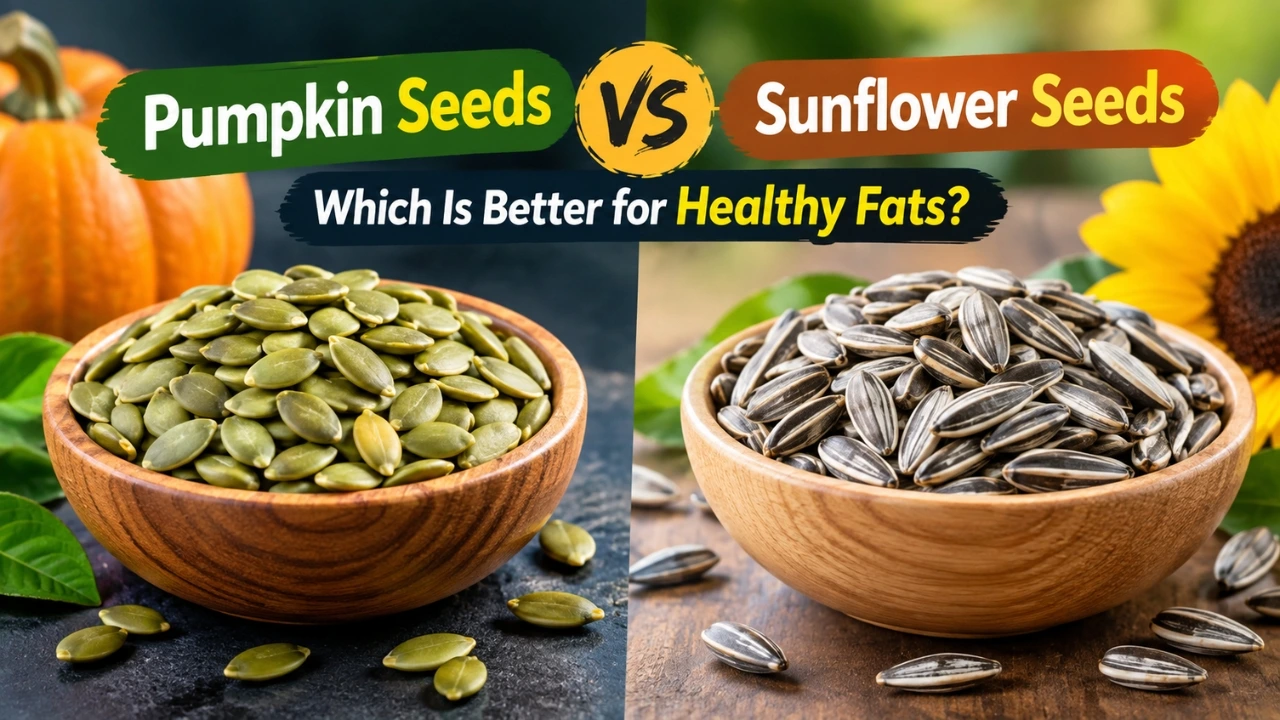
If you have ever found yourself standing in the grocery store with a packet of pumpkin seeds in one hand and sunflower kernels in the other, you may have wondered which option is better for your health. Both pumpkin seeds vs. sunflower seeds offer an affordable, satisfying and versatile way to improve your everyday meals. They are also rich in unsaturated fats, which nutrition experts generally recommend including in a balanced diet. However, their nutritional differences become clearer when you compare their fat profiles, vitamins, minerals and practical benefits.
Pumpkin Seeds vs. Sunflower Seeds: A Quick Nutrition Comparison
An ounce of either seed provides approximately 14 grams of fat and between 158 and 165 calories, making them remarkably similar in total fat content. However, their nutritional strengths differ beyond these numbers. Pumpkin seeds contain more protein and significantly higher amounts of magnesium, zinc and iron. Sunflower seeds offer more vitamin E, selenium and fiber, along with a greater proportion of polyunsaturated fats.
| Nutrient (approx. per 1 oz / 28 g) | Pumpkin Seeds (hulled) | Sunflower Seeds (hulled) |
|---|---|---|
| Calories | ~158 | ~165 |
| Total fat | ~14 g | ~14 g |
| Saturated fat | ~2.5 g | ~1.5 g |
| Polyunsaturated fat | ~6 g | ~9 g |
| Monounsaturated fat | ~4–5 g | ~3 g (higher in high-oleic varieties) |
| Protein | ~7 g | ~5.5 g |
| Fiber | ~1.7 g | ~3 g |
| Magnesium | ~150 mg | ~37 mg |
| Zinc | ~2.2 mg | ~1.5 mg |
| Vitamin E | ~0.6 mg | ~7 mg |
Which Seed Has Healthier Fats?
Neither seed is an outright winner when it comes to fat quality. Both contain predominantly unsaturated fats, which are generally considered beneficial when they replace saturated fats in the diet. Sunflower seeds provide slightly less saturated fat and more polyunsaturated fat, particularly omega-6 linoleic acid. Pumpkin seeds offer a somewhat more balanced combination of monounsaturated and polyunsaturated fats, along with small amounts of plant-based omega-3 alpha-linolenic acid (ALA).
However, neither seed is a particularly rich source of omega-3 fats. If you want to increase your omega-3 intake, consider including foods such as fatty fish, walnuts, chia seeds or flaxseeds in your meals.
Here are a few important points to remember about the fats found in seeds:
- Replacing saturated fats from foods such as butter and certain processed snacks with unsaturated fats can help support better cardiovascular health.
- Omega-6 fats are essential nutrients, not inherently unhealthy. Since many diets already provide substantial amounts, eating a variety of healthy fat sources is a sensible approach.
- High-oleic sunflower seeds, which are available as a specialty variety, contain more monounsaturated fat than conventional sunflower seeds. Check the nutrition label if you want to compare their fat composition.
- Raw or dry-roasted seeds are generally preferable to varieties fried in additional oil or covered with excessive salt and flavoring ingredients.
Beyond Fat: Vitamins and Minerals That Set Them Apart
The nutritional differences become more noticeable when you look beyond fat content. Pumpkin seeds are an excellent everyday source of magnesium, a mineral involved in muscle contraction, nerve signaling and normal blood sugar regulation. They also supply zinc, which plays an important role in immune function and wound healing.
Sunflower seeds have a different nutritional advantage. They are particularly rich in vitamin E, a fat-soluble antioxidant that helps protect cells from oxidative damage. They also contain selenium, a mineral needed for normal thyroid function and several antioxidant processes. In addition, sunflower seeds generally provide more dietary fiber per ounce than pumpkin seeds.
Choosing between them depends partly on what your regular diet already contains. If you do not eat many magnesium-rich foods, pumpkin seeds may be the more useful addition. They are also a convenient source of zinc and plant-based protein. On the other hand, sunflower seeds can help increase vitamin E intake, particularly if your meals contain few nuts, seeds, vegetable oils or leafy greens.
Rather than relying exclusively on one variety, consider including both in your weekly meal plan. This simple habit can help broaden your nutrient intake while adding different flavors and textures to everyday dishes.
How to Choose and Enjoy Them
Although both varieties offer valuable nutrients, portion size deserves attention because seeds are relatively high in calories. For most adults, a small handful of approximately one ounce of hulled seeds is a practical serving. Depending on the size of the seeds and how they are measured, this may amount to roughly two to four tablespoons rather than exactly two.
Salt content is another factor to consider. Sunflower seeds sold in their shells are sometimes heavily salted, and eating them frequently can contribute a considerable amount of sodium to your daily intake. Choosing unsalted varieties makes it easier to control how much salt you consume.
Here are some simple ways to add these seeds to your meals:
- Sprinkle pumpkin seeds over salads, soups or roasted vegetables to introduce a pleasant crunch and nutty flavor.
- Mix sunflower seeds into oatmeal, yogurt or homemade granola for added texture and nutrients.
- Blend sunflower seed butter into smoothies or spread it over toast. It can be a useful alternative for people who need to avoid peanuts or tree nuts, provided the product is safe for their particular allergy.
- Lightly toast either variety at home with a small amount of seasoning instead of purchasing heavily salted or flavored products.
- Keep seeds in an airtight container in a cool, dark place. Refrigeration can help preserve their freshness for longer because the natural oils in seeds may become rancid over time.
The Verdict: Which Is Better for You?
When comparing fat quality alone, pumpkin seeds and sunflower seeds are fairly evenly matched. Sunflower seeds contain slightly less saturated fat and more polyunsaturated fat, while pumpkin seeds provide small amounts of plant-based omega-3 fatty acids. For a broader nutrient profile featuring more magnesium, zinc and protein, pumpkin seeds have an advantage. Sunflower seeds are the stronger option for vitamin E, selenium and fiber. Ultimately, there is no need to choose only one. Enjoying both in moderate portions can provide a wider range of nutrients. If you have a seed allergy, a specific medical condition or dietary restrictions, consult a qualified healthcare professional or registered dietitian for personalized guidance.
Frequently Asked Questions
Are pumpkin seeds or sunflower seeds better for heart health?
Both can support heart health when they replace foods high in saturated fat as part of a balanced diet. Sunflower seeds contain slightly less saturated fat, while pumpkin seeds provide more magnesium, a mineral involved in normal muscle and nerve function, including the regulation of heart rhythm.
Which seed contains more protein?
Pumpkin seeds contain more protein, providing approximately 7 grams per ounce compared with around 5.5 grams in sunflower seeds. Both can contribute to daily protein intake when combined with other nutritious foods.
How many seeds can I eat per day?
For most healthy adults, approximately one ounce of hulled seeds per day is a reasonable starting point. The appropriate amount depends on your overall calorie requirements, eating habits and individual health needs.
Are raw or roasted seeds healthier?
Both raw and dry-roasted seeds can be nutritious choices. Unsalted varieties without added oil are generally preferable if you want to limit sodium and unnecessary added fats. Heavily salted or oil-fried seeds may be less suitable for everyday consumption.

Jante Smith is a creative and dedicated content writer who loves turning ideas into clear and engaging stories. She writes blog posts and articles that connect with readers. She ensures every piece of content is well-structured and easy to understand. Her writing helps our brand share useful information and build strong relationships with our audience.